
Advocating for Social Policy Change by Representing Lived Experience
From Poverty Struggle to Anti-Poverty Advocacy: My Journey and Mission
AN UNEXPECTED PASSAGE
While I lived in poverty with no stove for eight months, I relied on the free meals my oldest son received at his school. They supplemented what little I could prepare at home for my kids. Food stamps only paid for items that were to be cooked. In the shabby apartment, all I had to prepare food with was a counter-top toaster oven and an old Sunbeam electric fry pan—until a burglar stole them one night as we slept upstairs. Just when I’d thought things couldn’t have gotten any worse!

Transition To Subsidized Housing: A Turning Point
The move into Section 8 housing helped restore some of my dignity. The moment I walked through the new-to-me, larger apartment, my head began to overflow with decorating ideas. There was central air conditioning and heat in the apartment and its kitchen had appliances. An onsite laundry facility made washing clothes a breeze.
But best of all, the nicer place had put an end to me having to fork over my entire $152-a-month welfare check for that miserable $170-a-month apartment. It was a welcome relief to use that check to buy the boys’ clothes, shoes, toys, haircuts, new mattresses, and other necessities. Doing so reassured me that I could properly provide for them. Our finances, although still meager, had at least stabilized.
Educational Pursuits: From Enrollment to Success
After having our dire need for decent housing resolved, and at no cost, I began the enrollment process for college. To be eligible for free subsidized child care each semester, all I had to do was show proof of full-time registration at the college. Knowing my toddler was being adequately taken care of enabled me to easily focus on my studies.
Financial aid grants like BEOG, SEOG and Pell paid for tuition and textbooks. One semester, I received a “Best of 4.0” scholarship. Together, all of these forms of assistance made possible my success at school and eventual return to independence. I had not only run the race, but also broke the tape at the finish line of destitution.
MY MISSION TODAY
A Commitment to Advocacy: Bridging Personal Experience and Community Impact
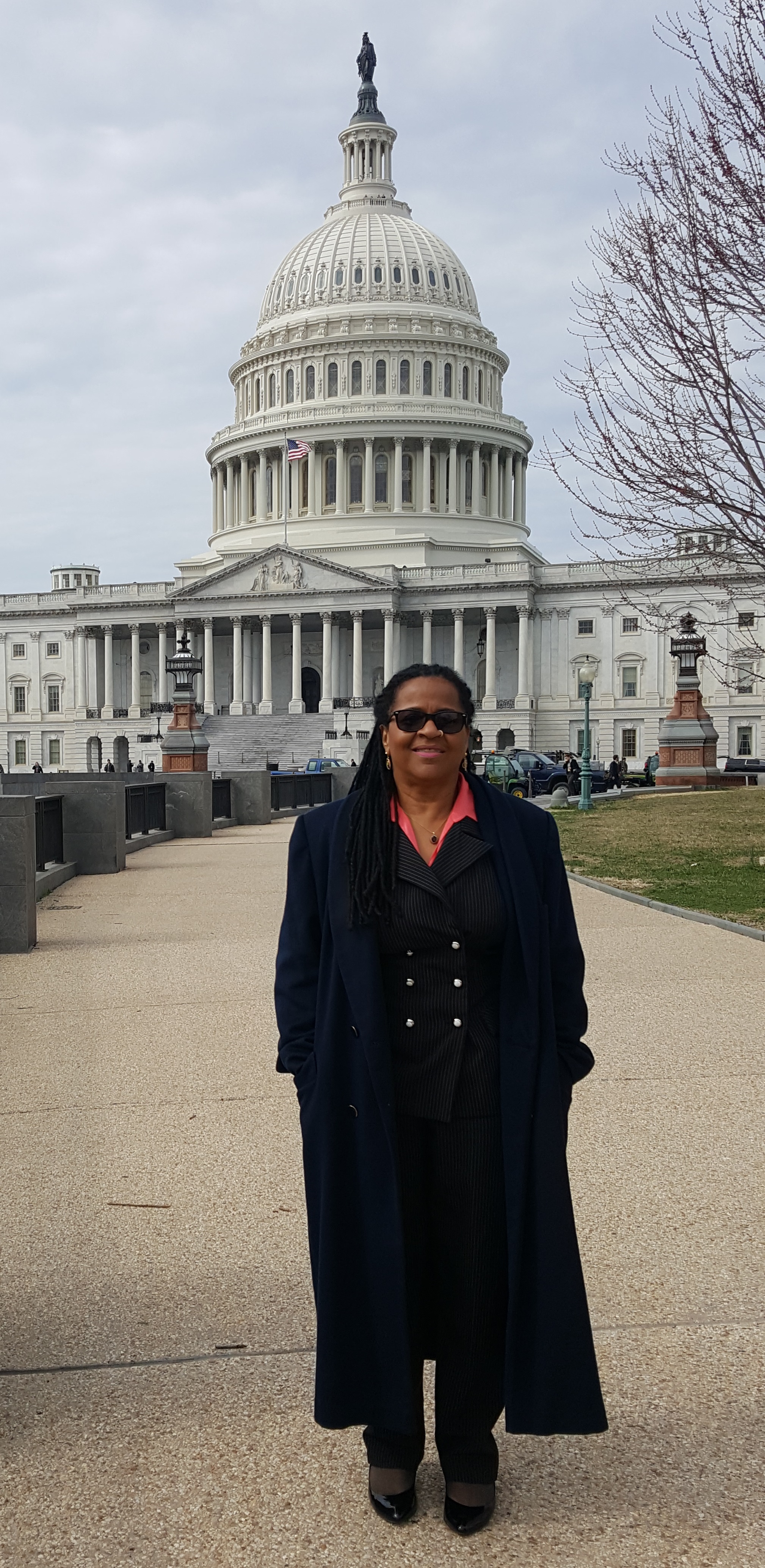
Today, my advocacy work focuses on protecting and strengthening the nation’s anti-poverty programs—programs that once made stability possible for my family. Having relied on these systems myself, I understand both their life-saving potential and the consequences when they fall short.
My work includes sharing first-person narratives in public forums, engaging with policymakers and their staff, and writing opinion pieces that center lived experience in discussions of poverty, social justice, and education. Across conferences, classrooms, and community spaces, I aim to deepen understanding of how policy decisions affect real lives.
Based on Lived Experience
My welfare passage, though difficult, laid the foundation for my commitment to advocacy. Experiencing firsthand the impact of housing assistance, nutrition programs, child care subsidies, and educational grants shaped both my perspective and my purpose.
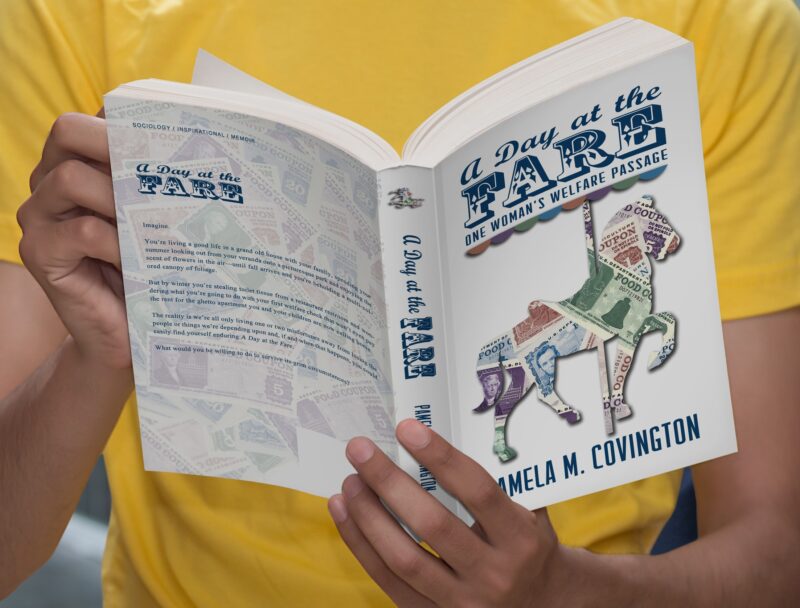
That experience also led me to write A Day at the Fare: One Woman’s Welfare Passage, a memoir that documents my young family’s path through poverty and toward independence, and continues to inform my public engagement work today.
Poverty Simulation and Public Understanding
In addition to speaking and writing, I cane contribute to poverty simulation initiatives designed to help participants better understand the constraints faced by individuals and families with limited resources. Drawing from lived experience, these sessions combine storytelling, discussion, and reflection to illuminate how systems function—or fail—in practice.
This work is intended to foster informed dialogue, empathy grounded in reality, and more thoughtful approaches to policy and program design.
I believe effective advocacy begins with listening to those most affected. My work is grounded in that principle—and in the conviction that lived experience belongs at the center of conversations about poverty and policy.