Why I Revealed My Poverty Secret
It Was Behind Me
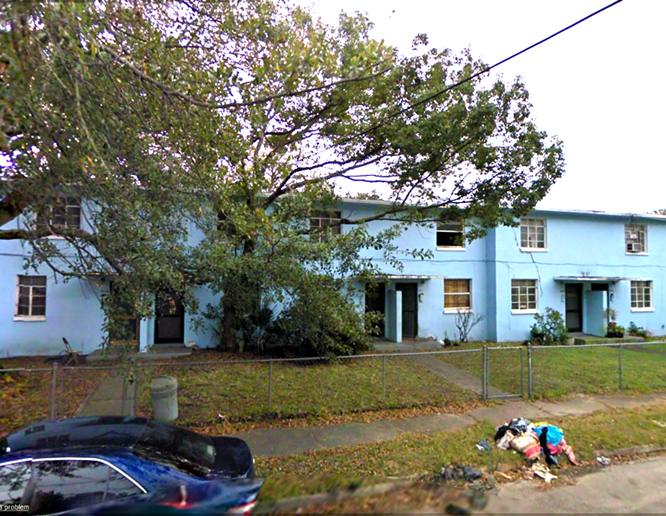
I’d moved on with my life, no longer thinking about the ugly, deep poverty portion of my past. In the mid-’80s, an unavoidable plummet from my cushy middle-class lifestyle landed me in a grubby, crime-ridden, drug-infested neighborhood. There, I found myself and my two children in a situation where everyday necessities—like a stove, refrigerator, toilet paper, and diapers—had become luxuries. It was a grueling poverty experience that went on for three years.
In Destitution?! A Surprise to Many
During the more prosperous decades that followed, my history of impoverishment faded into a secret on its own. Recent acquaintances had no idea of my poverty struggles. They didn’t know I had once been briefly homeless or so poor that I washed my kids in a McDonald’s restroom. No one knew that, back then, the only way I could only afford sanitary supplies was by systematically amassing change from multiple food stamp purchases. By 2010, all anyone saw of me was someone who appeared to have it all together: a couple of degrees, a well-paying job, a big house, and a nice car.
I wasn’t intentionally concealing the facts about my past. It was just that nothing had warranted me bringing them up. That is, until I realized the value of sharing my story. When I did mention it to someone, they were surprised and suggested that others could learn from my poverty experience. They believed the story of how I managed to rise above it would inspire others.
I, myself, had long ago reached the woeful conclusion that not much about the welfare system had improved in the 25 years since I was a client. In the fall of 2011, I decided to devote my time to writing about the lessons I’d learned back in the day, while barely eking out a living. I would uncover my unknown poverty story—write it, and put it out there.
How Much Is Too Much to Share?
It took five years to write my gritty memoir, A Day at the Fare: One Woman’s Welfare Passage. There were so many truths to tell. I insisted the book be thought-provoking, authentic, and polished—something readers would truly feel. To help this happen, I referred to copies of my actual welfare records to reconstruct my story’s timeline and took it from there.
One of the toughest decisions I wrangled with as I shared my poverty experience in writing, was how much of my personal affairs I should reveal. It felt as if I’d be making myself more vulnerable than ever before.
“You have to tell enough to leave a mark, Pamela, or there’s no sense in you writing it,” I reminded myself. “Remember the purpose of writing your book.”
The Reasons

I wrote A Day at the Fare to provide an accurate portrayal of what life is like living in poverty. Many people, including policymakers, have misconceptions about our country’s anti-poverty programs and the people who genuinely need them.
I’m qualified to speak on this. Before my welfare experiences, I lived quite comfortably, and like many people, subscribed to negative stereotypes about public assistance recipients—even though, at the time, I didn’t know a single soul who received the aid. My only knowledge about the those programs came from what I’d heard or read in the media.
Today, I still hear those stigmatizing labels applied: lazy, irresponsible freeloaders waiting around for fat welfare checks. And, of course, I can’t leave out the infamous myth of “welfare queens.”
I also share my welfare story, as one of success, to highlight the importance of maintaining a robust social safety net to help struggling individuals and families. My personal account sheds light on the parts of the welfare system that work—and those that fall short in helping people move toward independence.
Finally, I wrote A Day at the Fare with the hope of encouraging readers dealing with adversity not to adopt a sense of futility, but instead to press on with determination. To prioritize, be resourceful, and open themselves up to unlimited possibilities.
Tons of Work, But…
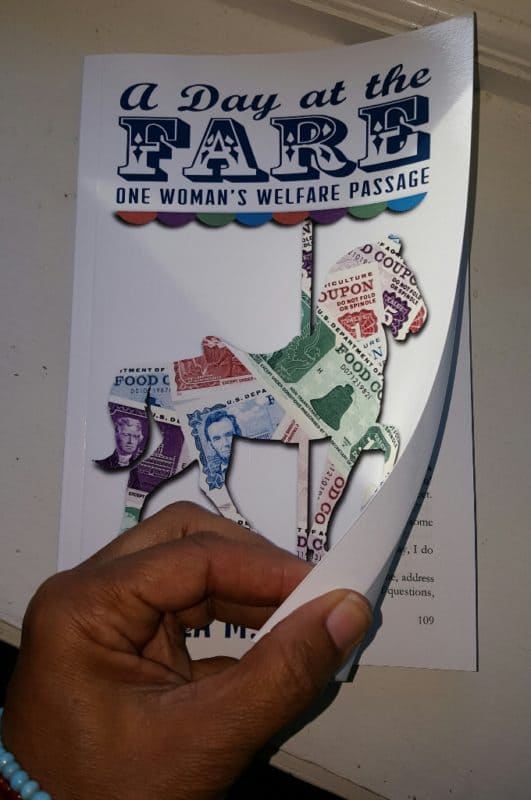
If A Day at the Fare fulfills any or all of my intended purposes, it’s worth having divulged the secret past life of a Pamela in poverty. If I had to choose again what gutsy details to include in my memoir, I’d write about all the same things in exactly the same way.
I’d tell only the stark truth as I continue to do today in talks, presentations, written pieces, workshops, dramatic readings, panel discussions, and storytelling performances.
Read an excerpt from the book here.